ICOM IC-A25N Handheld NAV/COM Transceiver w/ Bluetooth – Open Box: Reliable NAV/COM Performance
ICOM IC-A25N Handheld NAV/COM Transceiver w/ Bluetooth – Open Box: Reliable NAV/COM Performance
Blog Article
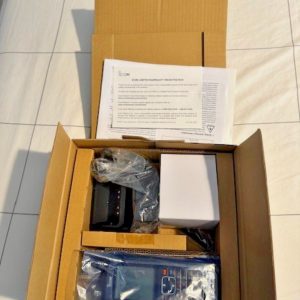
:::writingvariant="document" id="58314" ICOM IC-A25N Handheld NAV/COM Transceiver w/ Bluetooth – Open Box: Professional Aviation Backup Radio The ICOM IC-A25N Handheld NAV/COM Transceiver w/ Bluetooth – Open Box is designed for aviation users seeking a capable portable radio that can support communication and navigation-related operations. A carefully inspected open-box package can offer the operational benefits of a premium handheld aviation radio while helping owners control equipment costs. An ICOM IC-A25N Handheld NAV can support pilots who need a portable radio for cockpit backup, preflight monitoring, flight training, and general aviation communication. As an ICOM IC-A25N Aviation Radio, the transceiver may be used during normal flight operations, communication training, airport monitoring, ground coordination, and emergency preparation. The ICOM IC-A25N Handheld Radio can be carried conveniently in a flight bag, stored as backup cockpit equipment, used during preflight activities, or assigned to aviation personnel who require portable communication. A capable Handheld NAV/COM Aviation Transceiver provides pilots with an integrated solution that can be stored conveniently and accessed Aviation Navigation Radio quickly. Whether a buyer is sourcing a Handheld Aviation Radio, Aviation NAV/COM Radio, Pilot Handheld Radio, or Aircraft Communication Radio, actual operating needs should guide the selection. As an Aviation Communication Device, the radio can provide portable support for cockpit, training, emergency, and ground environments.
Exploring the ICOM IC-A25N NAV/COM Platform
The radio’s portable construction allows it to support aircraft operations before departure, during flight, after landing, or while personnel are working around the airport. A handheld NAV/COM platform can serve as primary portable equipment in suitable operations or as supplementary equipment alongside panel avionics. A handheld radio can provide valuable support, but performance may depend on antenna position, aircraft structure, terrain, distance, interference, battery condition, and operating environment. Training with the device can reduce delays and confusion when rapid communication becomes necessary.Choosing the ICOM IC-A25N Handheld NAV
A handheld NAV radio can be valuable to flight instructors who demonstrate aviation communication and navigation concepts during training. Ground personnel can use an appropriate handheld radio for monitoring or coordination where local procedures and regulations allow. Aviation navigation requires situational awareness, planning, current data, and understanding of aircraft and airspace requirements. Pilots should avoid burying backup equipment under baggage where it cannot be reached quickly during flight.Using the ICOM IC-A25N Aviation Radio
Aviation professionals can carry the IC-A25N when moving between aircraft instead of depending entirely on equipment installed in one cockpit. The radio may also be useful at aviation events, remote airfields, flight schools, maintenance shops, aircraft demonstrations, and airport operations areas. The seller should identify any missing accessories, cosmetic marks, opened packaging, previous testing, warranty status, or differences from a factory-sealed package. Remote buyers may request a video showing startup, menu operation, button response, audio output, charging status, and physical condition.ICOM IC-A25N Handheld Radio Applications
The handheld format allows the radio to move with the pilot between personal, rental, training, business, and club aircraft. Battery contacts, charging ports, headset connections, controls, and the display should remain free from dirt, loose objects, and contamination. Pilots can practice with the radio at home or in a classroom while following the applicable manual and operating guidance. Proper storage temperature and periodic charging can help preserve long-term battery and equipment performance.Handheld NAV/COM Aviation Transceiver Applications
The device may be especially valuable to pilots who operate older aircraft, rented aircraft, or airplanes with limited redundancy. Buyers should compare interface design, battery options, charging arrangements, antenna quality, accessory availability, display readability, audio performance, and operational needs. The radio should be inspected before every important flight for battery charge, antenna security, control response, display condition, volume setting, and physical damage. An equipment log may be helpful for flight schools, shared aircraft, or aviation businesses where several users handle the same device.Maintaining a Handheld Aviation Radio
Portable radio access can improve operational flexibility when users move frequently between aircraft and aviation environments. Backup capability may help pilots maintain access to important communication options while managing an abnormal situation appropriately. Accessories such as approved headset connections or suitable external antenna arrangements may influence convenience and performance. Users should understand local procedures before transmitting from airports, airshows, training areas, or ground facilities.Choosing an Aviation NAV/COM Radio
The combined platform can be useful during training because students can explore aviation radio functions with one portable device. A portable radio should support cockpit management rather than add unnecessary workload. Users should distinguish between convenience features, backup capability, training value, and equipment required for a particular flight. A structured preflight routine helps the Aviation NAV/COM Radio deliver reliable and practical support.Maintaining a Pilot Handheld Radio
A Pilot Handheld Radio offers flexibility to aviation professionals whose work involves several aircraft, airports, and operational environments. The device should remain accessible to the pilot without becoming a loose object or interfering with cockpit controls. Regular familiarity helps users recognize abnormal operation, weak batteries, damaged controls, or missing accessories early. Pilots may consider carrying an appropriate backup power option when supported by the equipment and mission requirements.Choosing an Aircraft Communication Radio
An Aircraft Communication Radio supports communication between pilots, air traffic services, other aircraft, flight instructors, and authorized ground personnel. Pilots should listen before transmitting, speak clearly, keep messages relevant, and verify that the correct frequency is selected. Understanding environmental limitations helps pilots choose the best practical location and operating method. Users should stop relying on the unit if it displays intermittent function or unexplained shutdowns until the concern is resolved.Choosing a Portable Aviation Transceiver
The ability to carry the radio personally helps operators maintain access to familiar controls and stored settings. Charging equipment should be identified clearly and kept with the correct radio and battery system. A wired backup arrangement may remain useful when Bluetooth accessories lose charge, disconnect, or experience interference. Bluetooth settings can be reviewed during preflight preparation and confirmed before the aircraft begins moving.Aviation Communication Device for Professional Use
Commercial value is strongest when the radio includes the accessories, battery capability, and support required for actual use. Transparent condition information allows the purchaser to judge whether the price reflects the package accurately. Professional users may maintain records of radio assignment, charging, inspections, damage, accessory inventory, and battery replacement. Clear labels and quick-reference instructions can reduce setup errors without replacing the complete operating manual.Handheld Aircraft Radio Applications
Flight instructors can carry the radio during aircraft walkarounds, ramp exercises, and selected student-training activities. The radio provides practical value wherever access to aviation communication is useful away from a powered instrument panel. Cockpit use requires secure storage and careful cable management so the radio does not interfere with flight controls, doors, seat adjustment, or emergency movement. Consistent care helps a Handheld Aircraft Radio transition reliably between cockpit, hangar, ramp, and storage use.Using an Aviation Navigation Radio
The aviation-focused interface is intended to support pilots who need quick access to practical features in a compact format. The radio should be configured on the ground whenever possible instead of during high-workload cockpit operations. Portable functions are most useful when they complement rather than replace disciplined aviation decision-making. Regular checks should confirm that stored information, settings, battery status, and display performance remain suitable for use.Choosing an ICOM Pilot Radio
The IC-A25N provides a combination of communication, navigation support, Bluetooth connectivity, and portable power suitable for varied aviation roles. Accessories, manuals, packaging, warranty eligibility, and previous registration may affect the practical and commercial value of the radio. The correct purchasing decision reflects mission, budget, equipment condition, support needs, and actual operational preferences. Pilots should record serial information, purchase details, accessory inventory, battery condition, and any warranty documentation.Emergency Aviation Radio Benefits
Emergency value depends on the radio being charged, accessible, configured, and familiar to the pilot before a problem occurs. The pilot should understand how portable-radio range may differ from normal aircraft communication equipment. Pilots should evaluate whether the radio can be heard clearly in the noise environment of their aircraft. Battery packs should be replaced when capacity declines, physical damage appears, charging becomes unreliable, or the manufacturer’s guidance indicates replacement.Backup Aircraft Radio Applications
Backup equipment can be particularly valuable during cross-country operations, aircraft delivery, training, rental flying, or travel in older aircraft. Stored batteries can lose capacity, accessories can become misplaced, settings can change, and physical damage may go unnoticed. A simple and familiar arrangement is generally more useful during an abnormal situation than a complicated setup that has not been practiced. With thoughtful preparation, a Backup Aircraft Radio can provide valuable confidence without creating unnecessary cockpit complexity.ICOM IC-A25N Open-Box Condition Guide
An open-box ICOM IC-A25N should be inspected for cosmetic condition, display quality, button response, antenna security, battery fit, connector condition, and evidence of previous use. The seller should identify whether original packaging, manuals, warranty materials, and product registration documents remain available. The Bluetooth system should be checked for pairing, audio routing, connection stability, and compatibility with supported equipment. Shipment photographs can document package contents and physical condition before dispatch.Protecting ICOM IC-A25N Reliability
A professional handheld transceiver should be managed as aviation equipment rather than treated like an ordinary consumer radio. Occasional-use radios should still receive periodic checks because batteries and electronic components can deteriorate during inactivity.- Review the complete package and remove the radio from backup service if physical or electronic condition is uncertain.
- Test the complete communication setup in an appropriate manner and understand how to use the radio without Bluetooth if needed.
- Charge and store the battery according to appropriate guidance while keeping all accessories labeled and together.